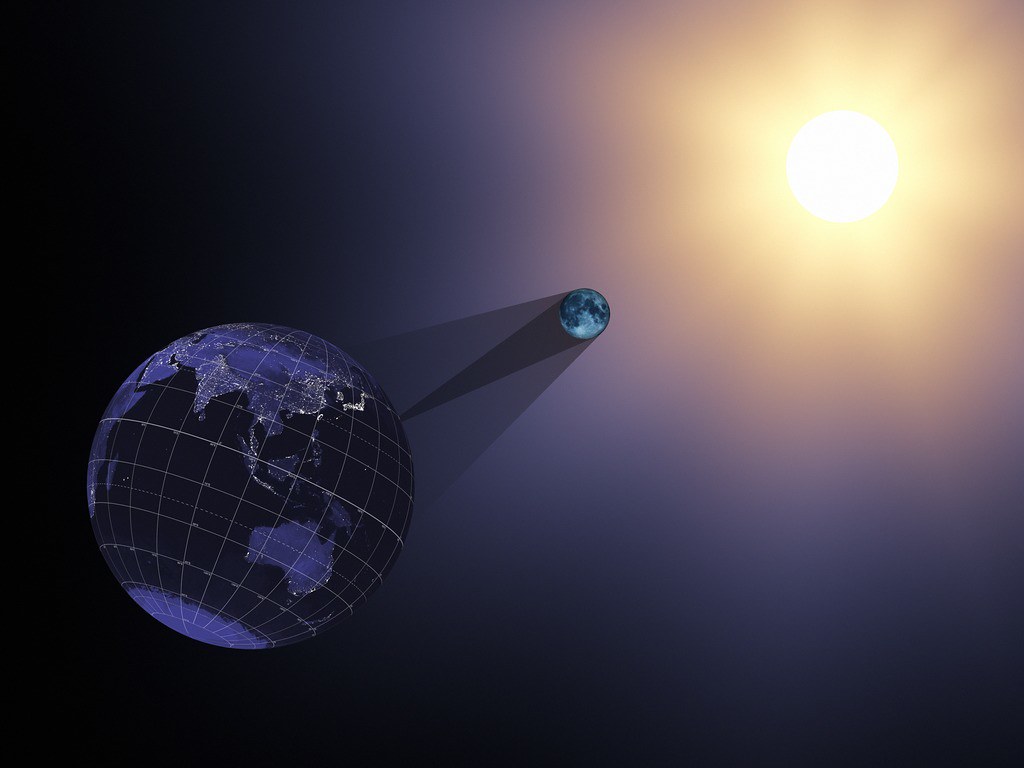
The NASA solar mission highlights the incredible advancements made in technology. This NASA solar mission has been crafted by experts who have honed their skills far from the reaches of space.
Overview of the NASA Solar Mission
The NASA solar mission represents a significant leap in our understanding of solar phenomena and their effects on Earth. This groundbreaking project aims to explore the sun’s behavior and its impact on the solar system, providing critical data for both scientists and the public.
One of the key components of this mission is the innovative technology developed by a specialized team. They have crafted intricate optical devices, known as gratings, which play a vital role in capturing and analyzing solar radiation. This advanced technology enables researchers to gather high-resolution data about solar flares and coronal mass ejections.
The success of the NASA solar mission is not only due to its scientific objectives but also to the collaborative efforts of various experts across different fields. This fusion of skills exemplifies how modern innovation can lead to breakthroughs in space exploration.
In summary, the NASA solar mission showcases the potential of interdisciplinary collaboration and cutting-edge technology to address complex challenges in understanding our nearest star.
Innovative Techniques Behind the Project
The NASA solar mission showcases a variety of innovative techniques that highlight the advanced engineering and scientific prowess involved in space exploration. One of the most significant aspects of this project is the development of specialized instruments designed to capture unprecedented data from the Sun.
Among these instruments, the use of grating technology stands out. This technique allows scientists to analyze the solar spectrum in great detail, enabling them to study solar phenomena that were previously difficult to observe. The precision required in constructing these gratings demonstrates a remarkable blend of art and science.
Additionally, the mission incorporates cutting-edge materials that are capable of withstanding the extreme conditions of space. These materials are engineered to endure intense heat and radiation, ensuring the longevity and reliability of the instruments.
Furthermore, the collaboration between various teams, including engineers and scientists from different fields, showcases how interdisciplinary approaches can lead to groundbreaking advancements. This synergy is a testament to the innovative spirit driving the NASA solar mission and its potential to reshape our understanding of the Sun.
Challenges Faced in Space Exploration
Space exploration is no easy feat, and the NASA solar mission has encountered numerous challenges along the way. These obstacles are not only technical but also logistical, often requiring innovative solutions to push the boundaries of what is possible.
- Technical Challenges: The complexity of designing instruments that can withstand extreme temperatures and radiation levels is paramount. Engineers must ensure that every component functions flawlessly in a harsh environment.
- Funding and Resources: Securing adequate funding for a mission of this scale is a constant hurdle. The necessity to balance budget constraints with ambitious scientific goals can lead to tough decisions.
- Interdisciplinary Collaboration: Coordinating efforts among various scientific disciplines and teams can be challenging. Effective communication and collaboration are essential to integrate diverse expertise into the mission.
- Public Engagement: Keeping the public informed and excited about the mission requires creative outreach strategies. Engaging storytelling can enhance interest and support for solar research.
Overcoming these challenges is crucial to the success of the NASA solar mission, highlighting the resilience and adaptability of the teams involved.
Future of Solar Missions in NASA
The future of solar missions in NASA looks promising, as advancements in technology and innovative techniques continue to emerge. With the success of the NASA solar mission, the agency is set to push the boundaries of solar research even further.
Future missions will likely incorporate:
- Enhanced Imaging Systems: Utilizing cutting-edge imaging technology will allow scientists to capture more detailed images of solar phenomena.
- Improved Data Analysis Tools: Advanced algorithms and machine learning will facilitate quicker and more accurate data processing, providing deeper insights into solar activity.
- Collaborative International Efforts: NASA aims to partner with global space agencies to share knowledge and resources, leading to more comprehensive studies of the sun.
- New Spacecraft Designs: Innovative spacecraft designs will enable missions to withstand harsh solar conditions while conducting experiments.
As NASA continues to explore the sun’s mysteries, the integration of these advancements will be crucial in redefining our understanding of solar dynamics and their impact on space weather.
By NASA Goddard Photo and Video via Openverse