

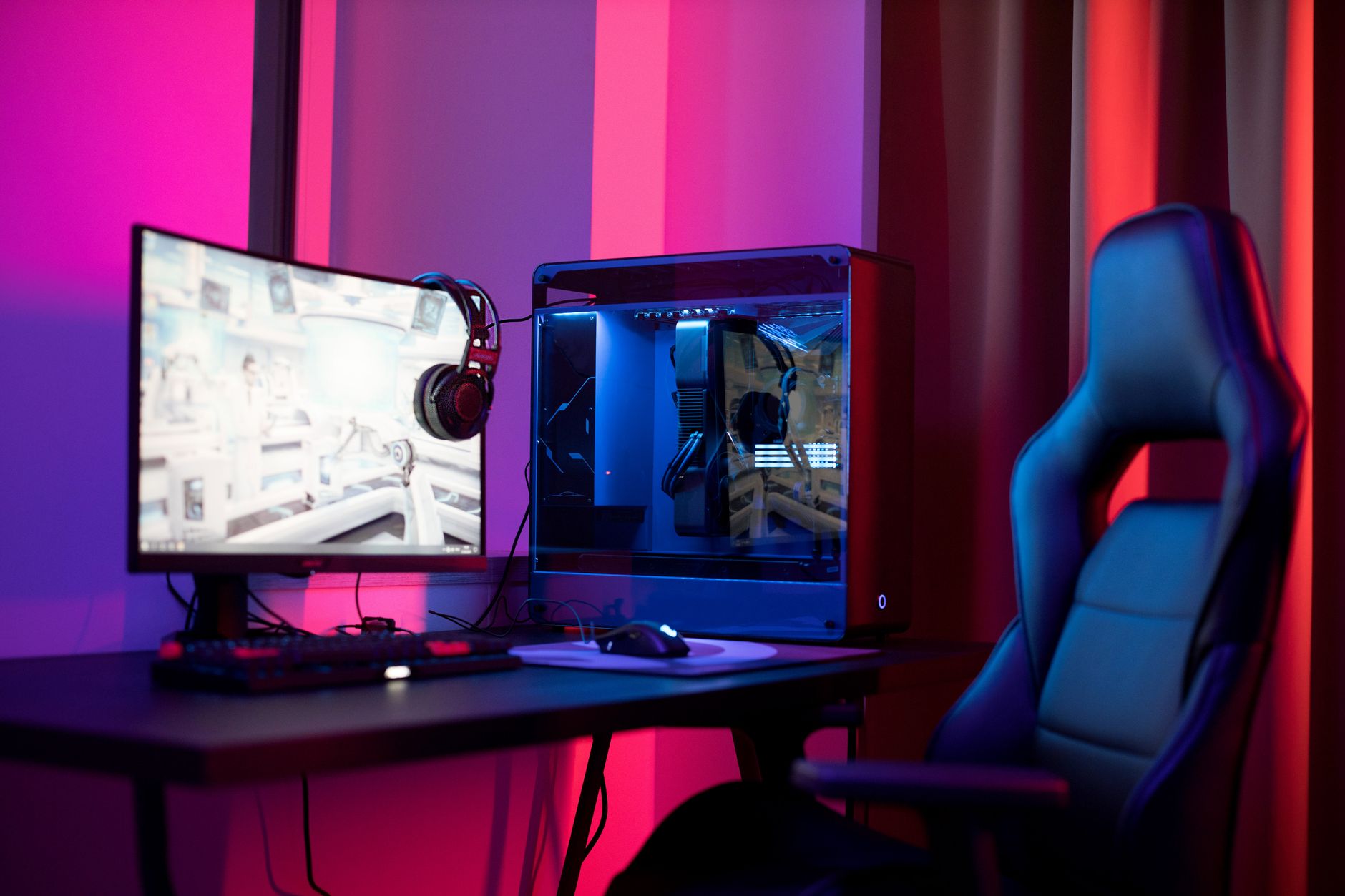
The cost to build gaming PC is a pressing question for enthusiasts in 2026. As technology advances, understanding the financial implications becomes crucial for gamers.
Understanding Gaming PC Costs in 2026
As technology continues to evolve, the cost to build a gaming PC is expected to fluctuate in 2026. Several factors contribute to the overall expense, making it essential for enthusiasts to stay informed.
When considering the costs, it is crucial to evaluate the following:
- Component Prices: Prices for CPUs, GPUs, and motherboards can vary significantly based on market demand and availability.
- Performance Needs: Gamers have different requirements, with high-end builds costing substantially more than entry-level systems.
- New Technologies: Innovations such as DDR5 memory and PCIe 5.0 may become standard, impacting the overall cost.
- Supply Chain Issues: Ongoing supply chain disruptions can affect component availability, leading to price hikes.
In addition to hardware, consider other expenses such as cooling systems, power supplies, and peripherals, which can increase the total investment. As gaming technology advances, the cost to build a gaming PC may seem daunting, but for many, the experience and performance gains justify the financial commitment.
Key Components for a High-End Build
When considering the cost to build a gaming PC, it’s essential to understand the key components that will contribute to a high-end build. Each part plays a crucial role in the overall performance and longevity of the system.
Here are the primary components to focus on:
- Processor (CPU): The heart of any gaming PC, a powerful processor ensures smooth gameplay and multitasking. Look for the latest models from top manufacturers.
- Graphics Card (GPU): Often the most expensive component, a high-quality GPU is vital for rendering stunning graphics. Investing in a top-tier GPU can significantly enhance gaming experiences.
- Motherboard: Choose a motherboard that is compatible with your CPU and supports the latest technologies. This component connects all parts of the PC.
- Memory (RAM): For gaming, at least 16GB of RAM is recommended. Opt for faster speeds to improve overall system responsiveness.
- Storage: Solid State Drives (SSD) provide faster load times than traditional Hard Disk Drives (HDD). A combination of both can offer a balance between speed and storage capacity.
By properly investing in these components, gamers can ensure their build not only meets current demands but also remains viable for years to come.
Comparing Prebuilt vs Custom Gaming PCs
When considering the cost to build a gaming PC, one of the primary choices is between a prebuilt system and a custom-built option. Each has its benefits and drawbacks, which can significantly impact your overall investment.
Choosing a prebuilt gaming PC often provides the advantage of convenience. These systems are ready to use out of the box, eliminating the need for technical knowledge or assembly skills. However, the cost can be higher due to labor and branding expenses, which can sometimes lead to less value for money.
On the other hand, custom gaming PCs allow for more tailored specifications. This route can be more cost-effective, as you can choose each component based on your budget and performance needs. Moreover, assembling your own PC can lead to better quality parts that provide superior performance for the investment. However, it requires research and a willingness to learn about compatible components.
Ultimately, the decision between prebuilt and custom gaming PCs hinges on personal preference, budget constraints, and technical expertise. Weighing these factors can help you determine the best approach to achieve the gaming experience you desire.
Future Gaming Trends and Their Impact
The gaming industry is continuously evolving, with trends that significantly influence the cost to build a gaming PC. As technology advances, gamers can expect new innovations that enhance performance, graphics, and overall experience. These advancements could impact the pricing of components and the total investment required for a high-end build.
One of the emerging trends is the rise of virtual reality (VR) and augmented reality (AR) gaming. As these technologies become more mainstream, the demand for powerful hardware will increase. Gamers may find themselves needing to invest in more advanced graphics cards and processors to keep up with the demands of immersive experiences.
Additionally, cloud gaming is gaining traction, which could alter the landscape of gaming investments. As more gamers turn to streaming services, the reliance on high-end builds may diminish for some. However, for those who prefer the performance benefits of a custom setup, the cost to build a gaming PC will remain a crucial consideration.
Moreover, with the ongoing development of AI and machine learning in gaming, future titles may require even more sophisticated systems. Consequently, understanding these trends is essential for gamers planning their next investment.
Is Building Your Own Gaming PC Worth It?
When considering the cost to build a gaming PC, many enthusiasts weigh the potential benefits against the initial investment. Building your own gaming PC can be a rewarding experience that allows for complete customization and future upgrades.
One major advantage of a custom build is the ability to select components that meet your specific gaming needs. This can lead to better performance and potentially lower costs in the long run. Additionally, building your own PC often results in a superior cooling system, quieter operation, and enhanced aesthetics, which can be a significant factor for many gamers.
- Customization: Tailor every aspect of your PC to fit your preferences and gaming style.
- Performance: Choose high-quality components that provide optimal performance for current and upcoming games.
- Cost Efficiency: Though the upfront cost may be higher, building your own PC can save money over time with upgrades and repairs.
- Learning Experience: Gain valuable knowledge about technology and hardware that can be beneficial in the long run.
Ultimately, whether building your own gaming PC is worth it depends on your budget, technical skills, and gaming aspirations. For many, the investment is not just about money, but also about the enjoyment and pride of crafting a unique machine.
When considering the cost to build gaming PC, it’s essential to weigh the long-term benefits against the initial investment. Many gamers find that the cost to build gaming PC can lead to a superior gaming experience compared to pre-built options.
Photo by Ron Lach on Pexels