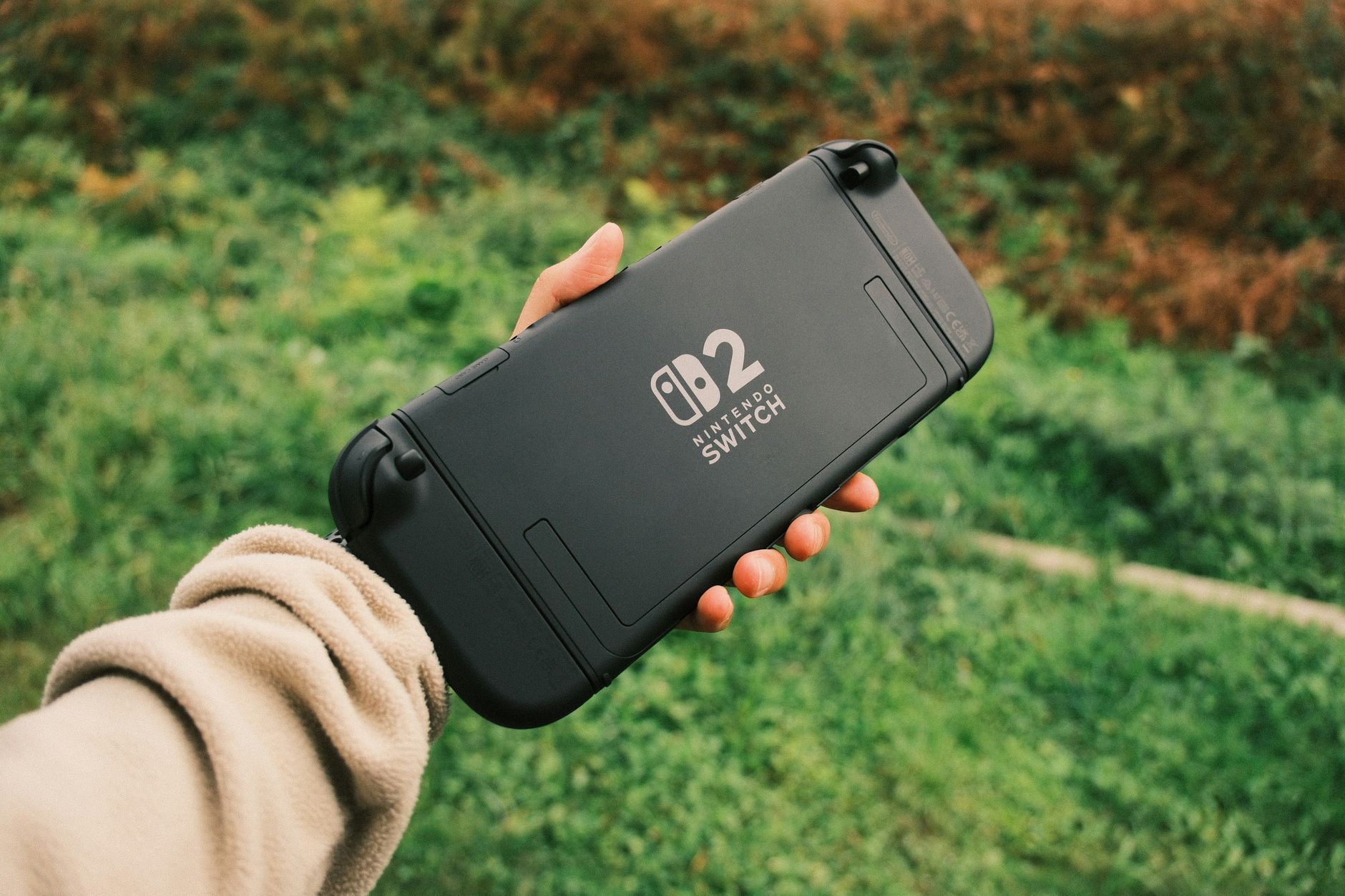
Nintendo Switch 2 sales have seen a significant decline of 37%. Despite this drop, it remains 6 million units ahead of the original Switch, showcasing its strong market presence.
Overview of Nintendo Switch 2 Sales
The latest reports indicate a significant shift in the gaming market as Nintendo Switch 2 sales experience a dramatic decline. Sales have plummeted by 37%, marking the worst drop yet since its launch. This downturn has raised eyebrows among industry analysts and gamers alike, prompting discussions about the future of the console.
Despite this decline, the Nintendo Switch 2 remains in a strong position compared to its predecessor. The console has managed to maintain a lead of 6 million units over the original Switch, showcasing its continued popularity among consumers. This impressive figure highlights the resilience of the brand and its ability to attract a loyal fan base.
As the gaming industry evolves, challenges such as increased competition and changing consumer preferences may influence the sales trajectory of the Nintendo Switch 2. Industry experts are closely monitoring these trends to determine how they will impact future sales and the overall performance of Nintendo in the market.
Comparison with Original Switch Performance
The performance of the Nintendo Switch 2 sales can be compared directly to the original Switch, despite the recent drop. According to industry analysts, the original Switch saw a gradual increase in sales during its first few years, setting a high benchmark for its successor.
When the original Switch launched, it quickly gained popularity, reaching significant sales milestones. In contrast, the Nintendo Switch 2 has experienced a 37% drop in sales compared to its previous quarter, which raises concerns among investors and fans alike.
However, the current figures reveal that the Nintendo Switch 2 is still ahead by 6 million units compared to the original Switch within the same time frame after launch. This statistic highlights the enduring appeal of the new console despite its recent challenges.
Factors contributing to this disparity include:
- Strong initial demand for new technology
- Competitive gaming market
- Marketing strategies that may need reevaluation
Moving forward, Nintendo will need to address these challenges to maintain the momentum of Nintendo Switch 2 sales.
Factors Behind the Sales Drop
The recent decline in Nintendo Switch 2 sales can be attributed to several key factors that have impacted consumer interest and purchasing decisions.
- Market Saturation: With the initial excitement surrounding the Nintendo Switch 2, many consumers may feel less inclined to upgrade from their existing consoles, leading to a natural slowdown in sales.
- Competition: The gaming landscape has become increasingly competitive, with various new consoles and gaming experiences vying for consumer attention. This has diverted some potential buyers away from the Nintendo Switch 2.
- Supply Chain Issues: Ongoing supply chain challenges continue to affect the availability of the Nintendo Switch 2, limiting how many units can be sold. These disruptions have made it difficult for retailers to keep shelves stocked.
- Consumer Sentiment: Economic factors, such as inflation, have made consumers more cautious with their spending. As a result, many potential buyers are delaying their purchases of the Nintendo Switch 2.
Despite these challenges, the Nintendo Switch 2 remains ahead of the original Switch in sales figures, reflecting a strong underlying demand for the product.
Market Trends in Gaming Consoles
The gaming console market has experienced significant fluctuations in recent years, with various factors influencing consumer behavior. The latest reports indicate that Nintendo Switch 2 sales have seen their worst drop yet, declining by 37%. Despite this downturn, the new console remains 6 million units ahead of the original Switch’s performance during a similar timeframe.
Market trends suggest that consumers are becoming increasingly discerning, seeking value and innovation in the consoles they purchase. The following elements are currently shaping the landscape:
- Competitive Landscape: With competitors like Sony and Microsoft ramping up their offerings, Nintendo faces heightened pressure to innovate and differentiate.
- Consumer Preferences: Gamers are increasingly looking for consoles that not only deliver high-quality gaming experiences but also boast exclusive titles.
- Economic Factors: Inflation and economic uncertainty have led to cautious spending, impacting the overall demand for gaming consoles, including the Nintendo Switch 2.
While the sales drop is notable, the Nintendo Switch 2 still demonstrates strong market presence, highlighting the brand’s resilience in a competitive environment.
Impact of Competition on Sales
The gaming landscape has become increasingly competitive, affecting the sales trajectory of the Nintendo Switch 2. As major competitors like PlayStation and Xbox release their latest consoles, Nintendo faces significant challenges in maintaining its market position.
Despite the Nintendo Switch 2 sales dropping by 37%, it remains 6 million units ahead of the original Switch, showcasing its strong initial popularity. However, gamers are becoming more discerning, often opting for rival consoles that offer enhanced graphics and exclusive titles.
Key factors influencing this shift include:
- Exclusive Game Releases: Competitors have been launching highly anticipated titles that attract gamers away from the Nintendo ecosystem.
- Technological Advancements: The latest consoles boast superior hardware, appealing to consumers seeking cutting-edge gaming experiences.
- Pricing Strategies: Aggressive pricing by rivals has made it difficult for the Nintendo Switch 2 to compete effectively.
As the gaming market evolves, Nintendo needs to adapt and innovate to reverse the current sales trend and solidify the Nintendo Switch 2’s position in a crowded marketplace.
Future Projections for Nintendo Switch 2
The future projections for Nintendo Switch 2 sales remain cautiously optimistic despite the recent downturn. Analysts suggest that while the 37% drop represents the worst decline yet, the console is still outperforming its predecessor by 6 million units. This discrepancy highlights the enduring appeal of the Nintendo Switch brand.
Several factors could contribute to a potential rebound in sales. First, the upcoming game releases, including highly anticipated titles, are expected to drive interest and engagement among consumers. Additionally, improved marketing strategies and promotional events may stimulate renewed excitement around the Nintendo Switch 2.
Moreover, the holiday season typically boosts console sales, which could provide a much-needed lift. Retailers are preparing for this surge by enhancing stock availability and offering enticing bundles. As gamers look towards the next generation of gaming, the Nintendo Switch 2’s unique features and library of exclusive games may attract a wider audience.
Overall, while the current sales figures pose challenges, the Nintendo Switch 2’s strong foundation and upcoming opportunities could pave the way for recovery in the coming months.
Consumer Sentiment Towards Switch 2
Consumer sentiment towards the Nintendo Switch 2 has become a focal point of discussion, especially following the recent reports of a significant sales drop. While the Nintendo Switch 2 sales plummeted by 37%, it remains important to note that it is still outperforming the original Switch by 6 million units.
Many gamers express mixed feelings regarding the new console. On one hand, they appreciate the enhanced graphics and gameplay features; on the other, some cite concerns over software availability and pricing strategies. A recent survey indicates that 40% of respondents believe that the Nintendo Switch 2 has not lived up to their expectations.
Key factors influencing consumer sentiment include:
- Software Library: The perceived lack of exclusive titles has left some fans disappointed.
- Price Point: Comparisons to competitor consoles have sparked discussions about value for money.
- Performance: While praised for its capabilities, some players expected even more innovation.
Ultimately, while Nintendo Switch 2 sales may be declining, the underlying consumer sentiment provides insights into the challenges and opportunities that lie ahead for Nintendo.
What This Means for Nintendo’s Strategy
The recent decline in Nintendo Switch 2 sales highlights a pivotal moment for Nintendo’s strategy moving forward. Despite experiencing a significant drop of 37%, the Switch 2 still maintains a lead of 6 million units over the original Switch, which indicates a strong initial reception but raises questions about sustainability.
Nintendo’s approach must now adapt to regain momentum in an increasingly competitive market. The company may need to consider the following strategies:
- Enhanced Marketing Campaigns: To re-engage consumers, Nintendo might invest in targeted advertising that emphasizes the unique features of the Switch 2.
- Exclusive Game Releases: Launching high-profile titles that leverage the capabilities of the Switch 2 could attract more players and drive sales.
- Competitive Pricing: Adjusting the pricing strategy to make the console more accessible could help capture a broader audience.
- Expanding Third-Party Partnerships: Strengthening relationships with third-party developers could lead to a wider array of games, appealing to diverse gaming preferences.
Ultimately, how Nintendo responds to the current sales landscape will determine its success in maintaining the Switch 2’s market position.
Nintendo Switch 2 sales have experienced a significant decline, marking the worst drop yet in the console’s history. Despite this setback, Nintendo Switch 2 sales remain ahead of expectations in certain markets.
Photo by Daniel J. Schwarz on Pexels