

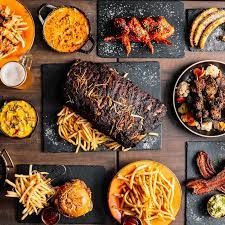
In today’s digital marketplace, the visual appeal of a product often determines whether a customer clicks “buy” or moves on. For food brands and restaurants, high-quality images are not just nice to have—they can significantly impact conversion rates. Recent studies show that images play a critical role in online purchasing decisions, with 67% of consumers considering product images to be “very important” when making a purchase. ai food images offer a new avenue for enhancing product presentation, providing visually appealing, realistic representations that can drive engagement and sales.
How Does Image Quality Affect Consumer Behavior?
Consumers are more likely to engage with food products that look appetizing and professionally presented. Research indicates that websites featuring high-quality images can experience up to a 40% increase in click-through rates. Furthermore, images that are inconsistent or poorly lit can reduce trust and perceived product value. AI-generated images solve this problem by standardizing quality across a product line, ensuring each item appears vibrant, fresh, and enticing.
Can AI Personalize Food Presentation for Different Audiences?
AI technology allows for dynamic customization of food images to match specific audience preferences. For example, certain demographics may respond better to minimalist plating styles, while others may prefer a more indulgent presentation. By analyzing past engagement metrics, AI can generate images optimized for different consumer groups, potentially increasing conversion rates. Reports suggest that personalized product imagery can improve engagement by 30% or more, making AI-driven solutions an increasingly popular tool for digital marketers.
What Role Does Realism Play in Conversion Rates?
While AI-generated images are synthetic, realism is critical for maintaining consumer trust. Studies show that images perceived as authentic and appetizing can directly influence purchasing decisions. AI tools are capable of creating food visuals that mimic real-life textures, lighting, and colors, making dishes appear both appealing and trustworthy. Businesses leveraging realistic AI food images have reported higher engagement, with some noting a 20% uplift in sales from product pages that feature enhanced imagery.
How Can AI Images Reduce Marketing Costs?
Producing professional food photography is often expensive and time-consuming. AI-generated images offer a cost-effective alternative without sacrificing quality. By automating the creation of high-resolution images, brands can reduce the need for multiple photoshoots, styling sessions, and post-production work. Analysts estimate that businesses using AI for product images can save up to 50% in content creation costs, while simultaneously speeding up marketing campaigns.
Can AI Food Images Improve Social Media Engagement?
Social media platforms are highly visual, and food-related content consistently performs well in terms of engagement. Posts with high-quality food images receive 23% more interactions compared to those with lower-quality visuals. AI-generated images can be tailored for various platforms, ensuring optimal size, format, and style, which can increase visibility and interaction. The ability to quickly produce compelling visuals allows brands to maintain consistent posting schedules, ultimately improving online presence and conversion opportunities.
What Are the Future Implications for Online Food Marketing?
As AI continues to advance, food brands will increasingly rely on synthetic visuals to enhance product presentation and improve consumer engagement. By leveraging AI-generated images, companies can create scalable, visually appealing content that boosts conversion rates, reduces costs, and strengthens brand identity. In an online marketplace where first impressions matter, investing in AI-driven visual strategies is likely to become a key differentiator for businesses seeking to outperform competitors.