

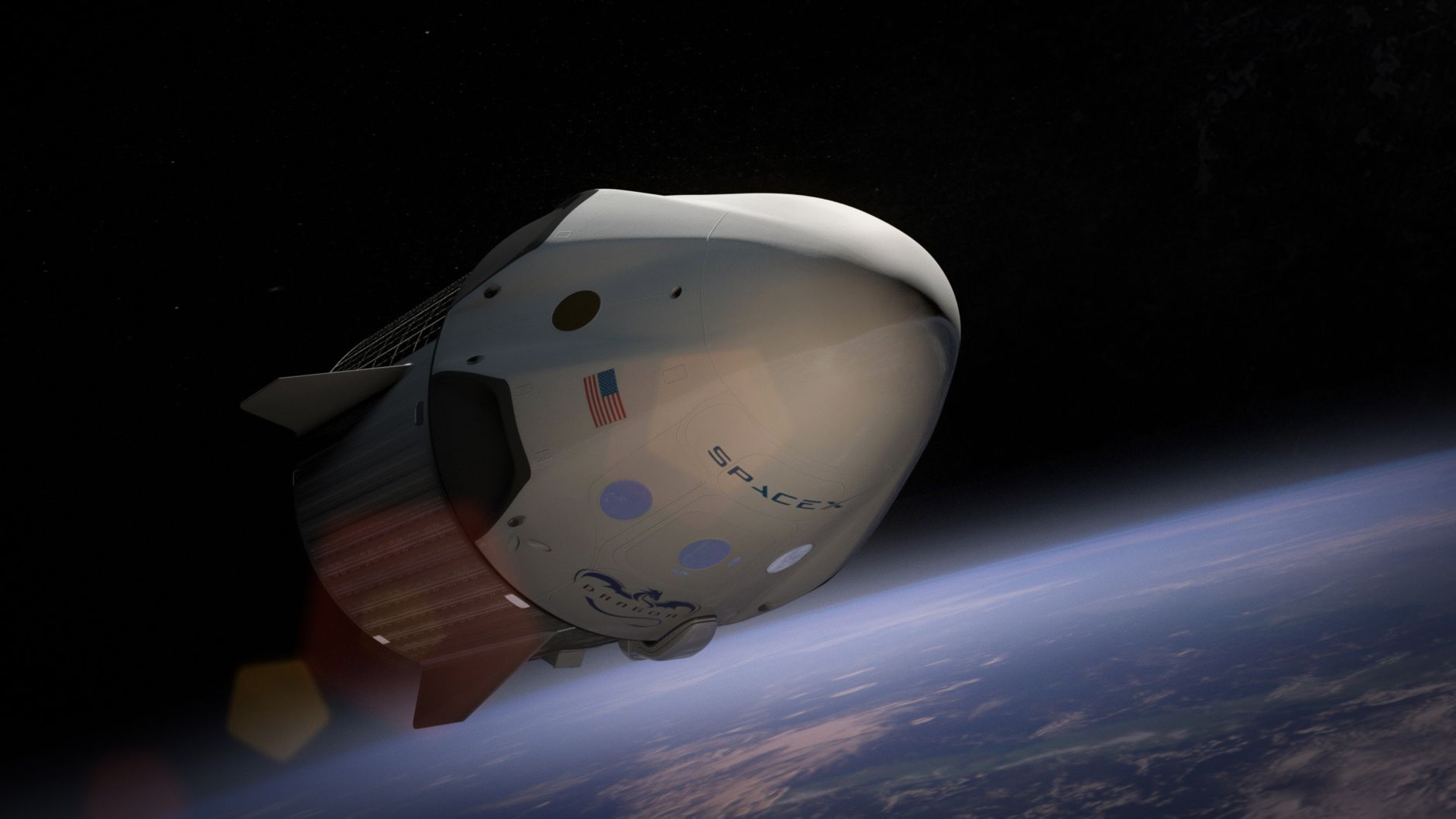
Globalstar 2-R mission has successfully completed its initial on-orbit functional tests, demonstrating significant advancements in satellite technology and reliability.
Overview of the Globalstar 2-R mission
The Globalstar 2-R mission represents a significant advancement in satellite communications, focusing on enhancing connectivity across various sectors. Recently, MDA Space and Globalstar successfully conducted initial on-orbit functional tests, demonstrating the capabilities of the newly launched satellites.
This mission aims to bolster Globalstar’s existing satellite network and improve service quality for users worldwide. The successful tests confirmed that the satellites are operating as intended, paving the way for enhanced service offerings. Key objectives of the Globalstar 2-R mission include:
- Increased Capacity: The new satellites are designed to support a larger volume of data transmission, catering to the growing demands of users.
- Enhanced Reliability: With advanced technology, the 2-R satellites aim to provide a more dependable communication service across various environments.
- Global Coverage: The mission seeks to extend Globalstar’s reach, ensuring coverage in remote and underserved areas.
As the Globalstar 2-R mission progresses, stakeholders are optimistic about its potential to revolutionize satellite communications. The initial tests are a promising indicator of the mission’s success and its future impact on global connectivity, setting the stage for further developments in the field.
Importance of on-orbit testing
The significance of on-orbit testing cannot be overstated, especially in the context of the Globalstar 2-R mission. Such tests are crucial for verifying the operational capabilities of satellites once they are deployed into space. By conducting these evaluations, engineers can ensure that all systems function as intended under real-world conditions, which are often unpredictable.
During the initial tests of the Globalstar 2-R mission, several key objectives were achieved, demonstrating the satellite’s resilience and performance. These tests included:
- Communication Checks: Assessing the satellite’s ability to establish and maintain communication links with ground stations.
- System Diagnostics: Monitoring the health and functionality of critical onboard systems.
- Data Transmission: Evaluating the efficiency and reliability of data sent back to Earth.
Successful on-orbit testing serves not only to validate the design and engineering of the Globalstar 2-R mission but also to build confidence among stakeholders and customers. The insights gained from these tests will inform future enhancements and developments in satellite technology, ensuring that Globalstar continues to meet the demands of its users effectively.
As the mission progresses, ongoing testing will be essential to maintain operational integrity and to maximize the utility of the satellite’s capabilities.
MDA’s role in satellite development
MDA has played a pivotal role in the development of the Globalstar 2-R mission, contributing its expertise in satellite technology and engineering solutions. The collaboration between MDA and Globalstar has resulted in significant advancements in satellite design, ensuring that the Globalstar 2-R satellites meet the rigorous demands of modern communication needs.
One of the key components of MDA’s contribution is its innovative approach to satellite systems integration. This process involves the seamless assembly of various satellite subsystems, which are critical for the overall functionality of the Globalstar 2-R mission. MDA’s engineers have worked diligently to optimize satellite performance, focusing on enhancing data transmission capabilities and reliability.
Moreover, MDA has utilized cutting-edge technology to conduct thorough testing protocols during the development phase. These protocols ensure that each satellite can withstand the challenges of the harsh space environment. The success of these initial on-orbit functional tests is a testament to MDA’s commitment to quality and performance in satellite systems.
In addition, MDA’s involvement extends beyond just technical expertise; they provide ongoing support and maintenance strategies tailored specifically for the Globalstar 2-R mission. This holistic approach ensures that the satellites not only launch successfully but also operate efficiently throughout their operational lifespan.
Technological advancements in space
The Globalstar 2-R mission represents a significant leap in technological advancements in space communications. The successful completion of initial on-orbit functional tests marks a pivotal moment for the satellite industry, showcasing innovations that enhance data transmission capabilities and operational efficiency.
One of the standout features of the Globalstar 2-R satellites is their advanced payload technology, designed to support high-speed data services. This includes:
- Enhanced signal processing: Improved algorithms that optimize communication links and reduce latency.
- Increased bandwidth: The ability to handle more simultaneous connections, catering to a growing demand for connectivity.
- Robust design: Engineering advancements that ensure durability and reliability in the harsh conditions of space.
Furthermore, the mission incorporates cutting-edge propulsion systems that allow for precise orbit adjustments, enhancing the satellites’ operational capabilities. These technological strides not only contribute to the success of the Globalstar 2-R mission but also set new standards for future satellite deployments.
As the aerospace industry continues to evolve, the insights gained from the Globalstar 2-R mission will undoubtedly influence the design and development of next-generation satellites, paving the way for even more ambitious projects in the realm of space exploration and communication.
Future implications for Globalstar
As the Globalstar 2-R mission successfully completes its initial on-orbit functional tests, the implications for the future of satellite communication are significant. This mission not only demonstrates the capabilities of advanced satellite technology but also sets the stage for enhanced global connectivity.
The success of the Globalstar 2-R mission indicates a potential increase in capacity and reliability for users worldwide. With the ongoing evolution of communication needs, these advancements may pave the way for:
- Improved connectivity: Enhanced satellite systems are expected to provide more robust communication links, particularly in remote areas where traditional infrastructure is lacking.
- Increased data throughput: The new technology could support higher data rates, meeting the growing demands of consumers and businesses alike.
- Expanded service offerings: With better performance, Globalstar may introduce new services that cater to various sectors, including agriculture, transportation, and emergency services.
- Sustainability initiatives: Improved satellite designs may incorporate eco-friendly features, aligning with global efforts toward sustainable technology.
Overall, the successful launch and testing of the Globalstar 2-R mission could herald a new era in satellite communications, making it an exciting time for industry stakeholders and consumers alike.
Success metrics for satellite missions
The success metrics for satellite missions are critical in determining the effectiveness and reliability of new technologies in space. For the Globalstar 2-R mission, a variety of parameters were closely analyzed during the initial on-orbit tests to ensure optimal performance.
Key performance indicators included:
- Signal Quality: The clarity and strength of the satellite’s signals were measured to assess communication capabilities.
- System Responsiveness: The reaction times of the satellite’s systems during various scenarios were tested to ensure they met operational benchmarks.
- Data Integrity: The accuracy and reliability of the data transmitted from the satellite were evaluated to confirm that information remains intact through its journey.
- Power Efficiency: The performance of the satellite’s power systems was monitored to assess energy consumption and sustainability over time.
These metrics not only validate the technological advancements made in the Globalstar 2-R mission but also pave the way for future satellite endeavors. Each successful parameter achieved during testing contributes to the overall reliability and potential of Globalstar’s next-generation satellites, reinforcing their commitment to excellence in space technology.
Photo by SpaceX on Pexels