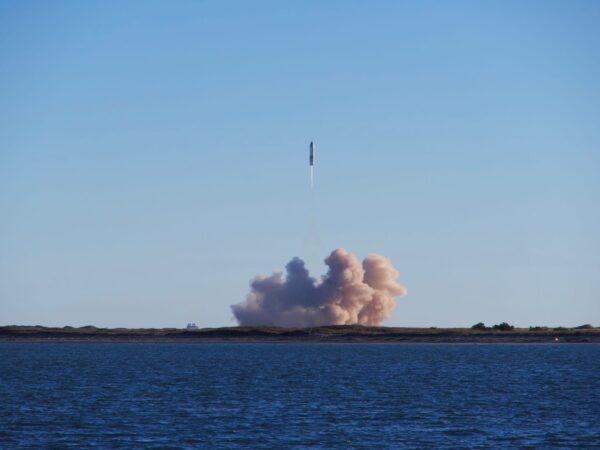
India’s indigenous NavIC system has reached a pivotal milestone with the GSLV-F18 launch, marking a significant advancement in the country’s space capabilities.
Overview of the GSLV-F18 Launch
The recent launch of the GSLV-F18 rocket has marked a significant milestone for India’s indigenous NavIC system. This mission, conducted by the Indian Space Research Organisation (ISRO), successfully deployed a communication satellite, enhancing the capabilities of the NavIC system that provides accurate positioning services to users in India and surrounding regions.
NavIC, which stands for Navigation with Indian Constellation, is designed to offer precise location information in both urban and rural areas. With the GSLV-F18 launch, ISRO demonstrated not only its advancing technological prowess but also its commitment to strengthening national security and infrastructure development.
The GSLV-F18 rocket is equipped with advanced features, ensuring the satellite’s secure and efficient entry into its designated orbit. The successful mission is expected to bolster applications in various sectors, including:
- Agriculture: Improved crop monitoring and management.
- Transportation: Enhanced navigation systems for vehicles.
- Disaster Management: Timely information for emergency response.
The GSLV-F18 launch underscores the importance of India’s indigenous NavIC system in promoting self-reliance in space technology.
Significance of India’s Indigenous NavIC System
The significance of India’s indigenous NavIC system extends far beyond its technological prowess. This vital asset enhances the nation’s autonomy in navigation, providing a reliable alternative to global positioning systems dominated by foreign entities.
One of the key advantages of NavIC is its ability to deliver accurate positioning services in the Indian subcontinent and surrounding regions. This is particularly important for various applications, including:
- Transportation and Logistics: Enhancing navigation for vehicles, ships, and aircraft.
- Agriculture: Supporting precision farming techniques to optimize crop yields.
- Disaster Management: Aiding in real-time monitoring and response strategies during emergencies.
Furthermore, the NavIC system plays a crucial role in strengthening national security by providing military forces with independent navigation capabilities. With its resilience against signal jamming and other interferences, it ensures that critical operations can continue unhindered.
Ultimately, the success of the GSLV-F18 launch and the operational readiness of India’s indigenous NavIC system signify a leap towards self-reliance in space technology, positioning India as a formidable player in the global arena.
Recent Developments in Satellite Navigation
Recent advancements in satellite navigation have further highlighted the capabilities of India’s indigenous NavIC system. The successful launch of the GSLV-F18 rocket has been a significant milestone, showcasing India’s growing expertise in space technology.
The GSLV-F18 mission, which took place recently, was pivotal for the deployment of additional satellites that enhance the operational capacity of NavIC. This system, designed to provide accurate positioning services, serves both civilian and military applications across India and surrounding regions.
Key features of the NavIC system include:
- High Accuracy: NavIC offers positioning accuracy of less than 20 meters.
- Regional Coverage: The system is tailored to provide services primarily for users in India and the surrounding area.
- Robust Infrastructure: The launch bolsters the satellite constellation needed for reliable navigation services.
As India continues to invest in its indigenous capabilities, the advancements in the NavIC system exemplify the nation’s commitment to achieving self-reliance in satellite navigation technology.
Future Prospects for Indian Space Technology
The future of Indian space technology appears promising, particularly with the success of the GSLV-F18 launch, which reinforces the capabilities of India’s indigenous NavIC system. As India continues to invest in space exploration and satellite navigation systems, several key prospects emerge.
- Enhanced Global Positioning: India’s NavIC system is expected to expand its reach beyond national borders, offering accurate positioning services to neighboring countries and potentially to other regions.
- Commercial Opportunities: With the growing demand for satellite navigation, Indian firms are likely to capitalize on NavIC technology, fostering innovation in sectors such as automotive, aviation, and logistics.
- International Collaborations: India may seek partnerships with other countries to enhance the capabilities of NavIC, sharing data and expertise to improve global navigation systems.
- Technological Advancements: Ongoing research and development could lead to improvements in the performance and reliability of the NavIC system, making it a competitive alternative to existing global navigation solutions.
As these prospects unfold, India’s indigenous NavIC system is poised to play a vital role in shaping the future of space technology on a global scale.
References
Related reading
Is the NVIDIA RTX 5080 Launch Worth the Hype? · AI-powered clinical research: Vera Health’s Proven $28.5M Boost · NVIDIA Nemotron 3.5 Transcribe: The Best Tool for Multilingual Audio