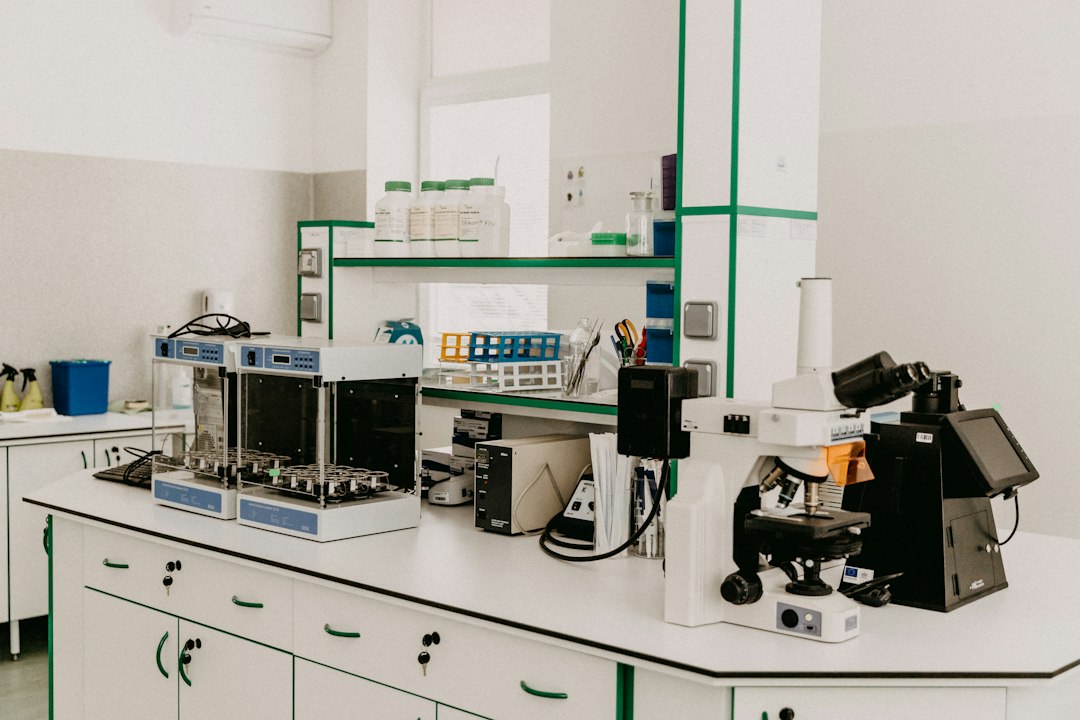
The study of emerging chemical substances requires structured research methods that prioritize evidence, safety, and reproducibility. In this context, MDPHP Powder (free base) may be encountered as a subject of analytical investigation rather than as a material for informal experimentation. A professional research approach focuses on establishing chemical identity, evaluating analytical characteristics, maintaining appropriate laboratory controls, and interpreting results within scientific and regulatory boundaries.
Contents
- Establishing a Reliable Research Framework
- Chemical Characterization Through Instrumental Methods
- Importance of Purity and Impurity Evaluation
- Laboratory Controls and Research Integrity
- Safety and Environmental Responsibility
- Regulatory Awareness
- Evidence-Based Scientific Communication
- Conclusion
Establishing a Reliable Research Framework
Every chemical investigation begins with a defined research objective. A laboratory may be interested in identification, analytical differentiation, stability, impurity characterization, or the performance of a particular testing method. Establishing the objective before testing helps researchers select appropriate analytical techniques and determine what conclusions can reasonably be drawn.
A structured research framework also improves consistency. Written procedures can specify sample handling, instrument operation, quality-control requirements, and documentation standards. This reduces avoidable variation between individual analyses.
Chemical Characterization Through Instrumental Methods
Instrumental analysis plays an important role in identifying unfamiliar or specialized substances. Chromatographic techniques can separate chemical components, allowing researchers to examine individual signals within a complex sample. Mass spectrometric detection can then provide information that supports molecular identification.
Spectroscopy may provide complementary structural evidence. When different analytical methods produce consistent findings, researchers can develop a more reliable interpretation of the sample.
However, analytical data must be interpreted carefully. A signal or spectrum should not be considered conclusive without considering instrument performance, reference information, possible interferences, and the limitations of the selected method.
Importance of Purity and Impurity Evaluation
Chemical research often involves more than confirming the primary compound. Researchers may also need to investigate whether additional substances are present. Impurity evaluation can help laboratories understand sample composition and identify potential analytical interference.
This is particularly relevant for research materials obtained from uncertain or variable sources. Labels and descriptions do not substitute for independent laboratory analysis. A properly documented analytical process can provide evidence that is more useful for scientific interpretation.
Researchers should avoid making assumptions about composition based solely on color, texture, odor, or other physical characteristics. Instrumental evidence remains essential when accurate identification matters.
Laboratory Controls and Research Integrity
Research quality depends heavily on laboratory controls. Instruments should be maintained according to appropriate procedures, analytical methods should be documented, and quality checks should be performed consistently.
Good recordkeeping supports scientific integrity. Researchers should preserve original observations and analytical results rather than recording only conclusions. Any unexpected findings should be documented and investigated when appropriate.
Reproducibility is another important principle. A well-designed research process allows qualified professionals to understand how results were obtained and, where appropriate, repeat the analytical procedure.
Safety and Environmental Responsibility
Responsible chemical research includes consideration of personnel and environmental safety. Researchers should follow institutional procedures for handling potentially hazardous substances and should use suitable containment and protective measures.
Storage conditions should be determined according to laboratory requirements and the characteristics of the material. Labels should remain clear, and access should be limited to trained personnel.
Waste handling is equally important. Specialized chemical residues should be managed through approved disposal channels. Preventing accidental release into ordinary waste or wastewater systems is an essential part of responsible laboratory practice.
Regulatory Awareness
Legal requirements are an important part of research planning. Psychoactive compounds can be subject to restrictions involving possession, transfer, importation, analysis, or storage. Requirements may differ between jurisdictions and can change over time.
Researchers should therefore verify current regulations before beginning work. Institutional compliance teams, qualified legal professionals, and relevant government authorities can provide appropriate guidance.
Evidence-Based Scientific Communication
Scientific communication should accurately reflect the strength of available evidence. Laboratory characterization can establish analytical information, but it does not automatically demonstrate therapeutic potential, safety, or suitability for human use.
Researchers should distinguish measured observations from interpretations and clearly acknowledge limitations. This approach improves credibility and helps readers understand what the evidence actually demonstrates.
Conclusion
Responsible chemical characterization combines analytical science with careful documentation, laboratory safety, regulatory awareness, and evidence-based communication. A disciplined approach can improve the reliability of research involving specialized substances while avoiding unsupported conclusions. The objective should remain the development of dependable scientific information through controlled, transparent, and professionally managed research practices.
Key Points
- MDPHP Powder (free base) should be approached through structured professional research rather than informal experimentation.
- A defined research objective is crucial as it guides the selection of analytical techniques and the conclusions that can be drawn.
- Impurity evaluation in chemical research helps to understand sample composition and identify potential analytical interferences.
- Laboratory controls, including instrument maintenance and documentation practices, are essential for ensuring research quality and integrity.
- Researchers must be aware of regulatory requirements regarding psychoactive compounds, which can vary by jurisdiction and change over time.
- Scientific communication should accurately reflect evidence strength, distinguishing between observations and interpretations to enhance credibility.