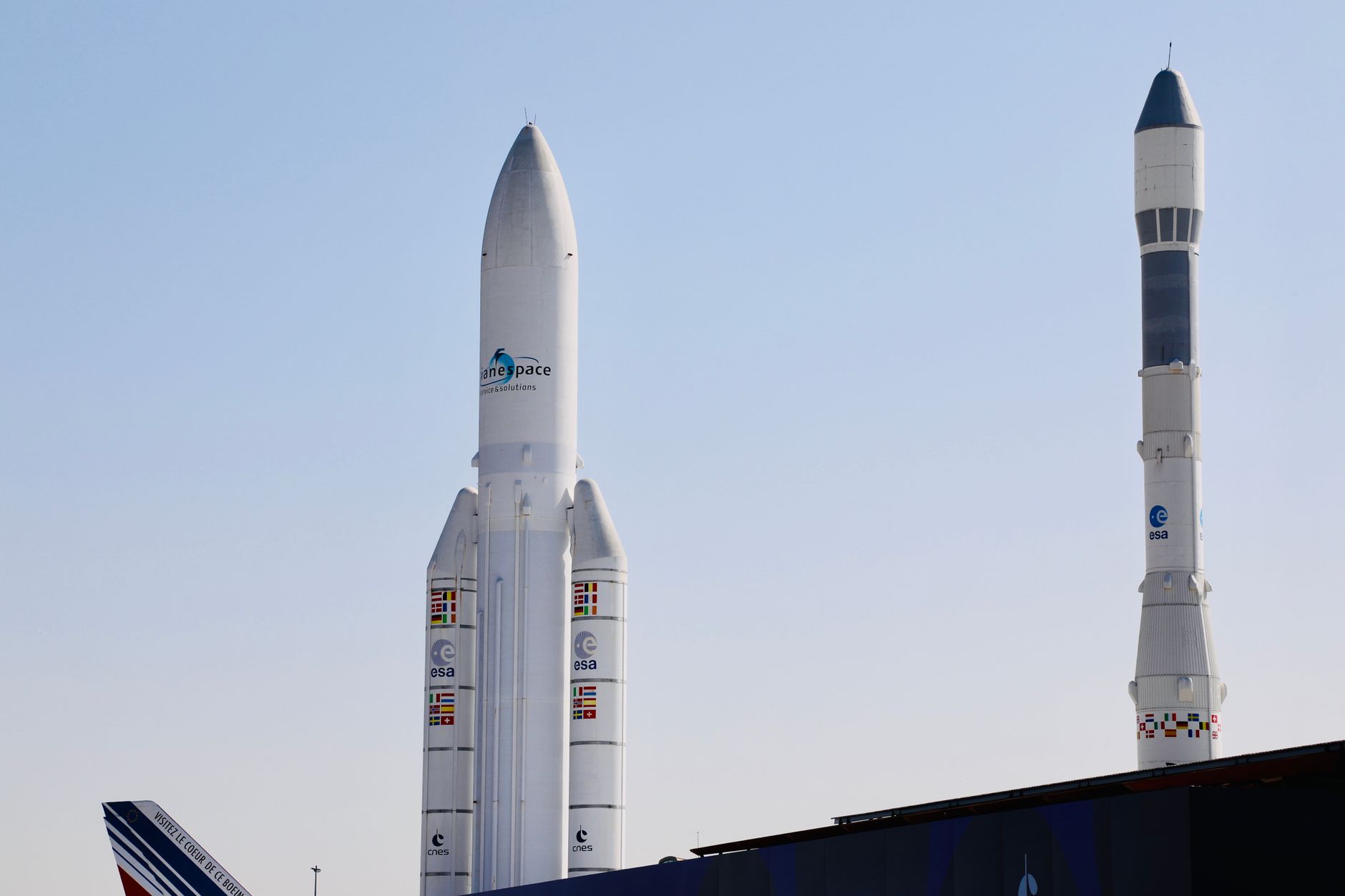
China satellite launch signifies a major milestone in the country’s space ambitions, successfully deploying nine satellites into orbit.
Overview of the Launch
In a significant achievement for space exploration, China successfully launched nine satellites into orbit on Tuesday, further demonstrating its growing capabilities in the field. This mission marks a pivotal moment in China’s satellite launch program, showcasing the nation’s commitment to advancing its technological prowess and expanding its presence in space.
The launch took place at the Taiyuan Satellite Launch Center in northern China, utilizing a Long March 4B rocket. This successful deployment not only highlights China’s ability to send multiple satellites into space simultaneously but also reflects the country’s ongoing efforts to enhance its satellite networking and communication systems.
Among the satellites launched, several are designed for Earth observation, while others serve various scientific and technological purposes. The successful execution of this mission is expected to provide valuable data for agriculture, disaster management, and environmental monitoring.
As China continues to push the boundaries of its space program, this launch is a testament to the advancements made in recent years. The country’s dedication to satellite technology plays a crucial role in its broader aspirations in space exploration, making the latest China satellite launch a notable milestone on the global stage.
Significance of the Satellites
The recent China satellite launch marks a significant milestone in the country’s ongoing efforts in space exploration. These satellites serve a variety of critical functions that contribute to advancements in technology, communication, and scientific research.
One of the most important aspects of this launch is its role in enhancing China’s capabilities in Earth observation. The satellites deployed will facilitate improved monitoring of natural disasters, agricultural developments, and urban planning. This data is essential for making informed decisions that can impact millions of lives.
Additionally, the satellites are expected to boost telecommunications infrastructure. With the increasing demand for faster and more reliable internet services, the new satellites will help bridge the digital divide, particularly in remote and underserved areas.
Furthermore, the successful launch showcases China’s growing expertise and ambition in the field of space technology. This achievement not only enhances national pride but also positions China as a key player in the global space race.
In summary, the significance of this China satellite launch extends beyond mere technical achievements; it represents a commitment to leveraging space technology for the benefit of society as a whole, paving the way for future innovations and explorations.
China’s Space Program Progress
China’s space program has made remarkable strides in recent years, showcasing its commitment to advancing space exploration and technology. The recent satellite launch saw the successful deployment of nine satellites, further solidifying China’s position in the global space arena. These missions are not merely about placing objects into orbit; they represent a significant leap in China’s capabilities and aspirations.
The satellites launched serve various purposes, including:
- Earth observation: Enhancing environmental monitoring and disaster management.
- Telecommunications: Improving communication networks for both urban and rural areas.
- Scientific research: Supporting studies in fields such as meteorology and agriculture.
Moreover, the launch underscores China’s growing technological expertise. The development of advanced rocket systems and satellite technology has positioned the nation as a key player in the competitive landscape of space exploration. With each successful China satellite launch, the country demonstrates its ability to innovate and expand its reach beyond Earth.
As China continues to invest in its space program, the potential for future missions and collaborations with other nations looks promising, paving the way for exciting developments in the years to come.
International Reactions
The recent China satellite launch has garnered attention from various international observers, highlighting the significance of the mission beyond China’s borders. Reactions have varied, reflecting differing perspectives on China’s growing capabilities in space exploration.
- United States: Officials expressed concern over the implications of China’s advancements in satellite technology, particularly regarding national security and surveillance. They emphasized the need for ongoing monitoring of China’s space activities.
- European Union: Many countries within the EU applauded the launch as a demonstration of technological prowess, viewing it as an opportunity for potential collaboration in peaceful space endeavors. They highlighted the importance of international dialogue to ensure space remains a cooperative frontier.
- Russia: The Russian government acknowledged the achievement, reaffirming its commitment to joint projects with China in space exploration. This partnership is seen as a counterbalance to Western dominance in the sector.
- India: Indian officials noted the launch as a sign of growing competition in space, urging for increased investments in their own space program to keep pace with China’s ambitions.
As nations respond to the implications of the China satellite launch, the global landscape of space exploration continues to evolve, with both opportunities and challenges ahead.
Future Missions Planned
As China continues to make significant strides in space exploration, future missions are already being planned to build on the recent success of the satellite launch. The recent deployment of nine satellites not only showcases China’s growing capabilities but also sets the stage for more ambitious projects in the coming years.
Among the upcoming missions, the following objectives are prioritized:
- Expansion of Communication Networks: China aims to enhance its satellite communication systems, ensuring better connectivity for users across vast regions.
- Earth Observation: New satellites will focus on monitoring environmental changes, aiding in disaster management and agricultural planning.
- Scientific Research: Future launches will include missions dedicated to enhancing our understanding of the universe, including potential collaborations with international space agencies.
- Technological Innovations: Emphasis will be placed on developing next-generation satellite technology, ensuring that China remains at the forefront of space exploration.
With each successful satellite launch, China is not only solidifying its position in the global space race but is also paving the way for a future filled with exploration and discovery. The commitment to advancing its space program demonstrates China’s dedication to becoming a leader in space technology and exploration.
Technological Innovations in Satellite Design
China’s recent satellite launch has demonstrated significant advancements in the realm of satellite design and technology. The successful deployment of nine satellites into orbit marks a milestone not only for the nation’s space program but also for global technological innovation.
Among the notable features of these satellites are:
- Miniaturization: The new satellites are smaller and lighter, making them easier to launch and deploy.
- Enhanced Communication Systems: Improved communication capabilities allow for faster data transmission, essential for various applications including weather monitoring and disaster response.
- Advanced Propulsion Technologies: The use of cutting-edge propulsion mechanisms increases the efficiency and longevity of satellite missions.
- Robust Imaging Sensors: High-resolution imaging technology provides clearer and more detailed imagery, beneficial for both civilian and military uses.
These technological innovations ensure that China remains competitive in the global space arena, contributing to the ever-evolving landscape of space exploration. As the nation continues to develop its satellite capabilities, the impact of this latest China satellite launch will likely resonate for years to come, paving the way for future breakthroughs in space technology.
Challenges and Opportunities Ahead
In the wake of the recent China satellite launch, the nation faces both challenges and opportunities in its ongoing quest for space exploration. As the capabilities of its satellite technology expand, China must navigate the complexities of international collaboration and competition. On one hand, the launch demonstrates China’s growing prowess in space, while on the other, it raises questions about the implications for global security and space governance.
Among the challenges are:
- Technological Advancements: Keeping pace with rapid innovations in satellite technology requires continuous investment and research.
- International Relations: Navigating the geopolitical landscape is crucial, as some countries view China’s advancements with suspicion.
- Environmental Concerns: The increase in satellite launches poses risks to space debris, which could impact future missions.
However, opportunities abound:
- Collaborative Ventures: Potential partnerships with other nations could enhance scientific research and promote peace in space activities.
- Economic Growth: A thriving space sector can drive economic benefits, fostering job creation and innovation.
- Global Leadership: By addressing challenges effectively, China can position itself as a leader in international space policy.
The recent China satellite launch has further solidified the nation’s position as a leader in space exploration. As the mission demonstrated, the China satellite launch not only achieved its objectives but also paved the way for future advancements in technology and research.
Photo by Léa Claisse on Pexels
References
Related stories
Samsung Galaxy Tab S12: Is It the Best Tablet Yet? · Insta360 new feature: Is it the best way to create 3D scenes? · Silent Hill Townfall Release Time: Best Proven Details