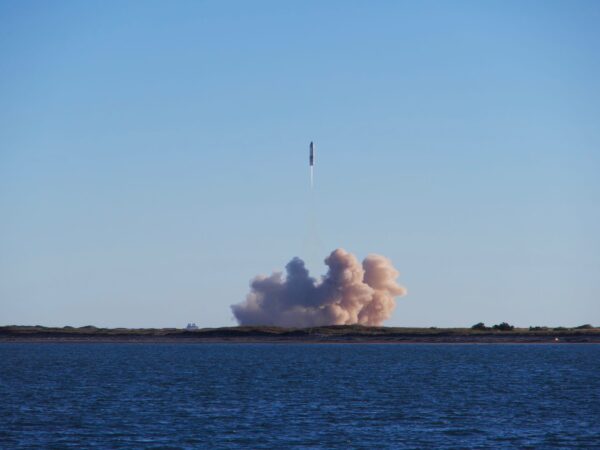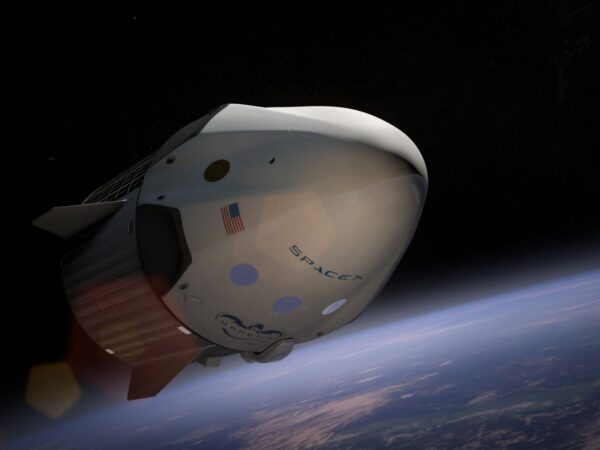
SpaceX Starship launch has made headlines again with its recent attempt to skip catching the booster. This move highlights the evolving strategies in rocket recovery.
Overview of the Latest SpaceX Launch
The recent SpaceX Starship launch has garnered significant attention as it marked another milestone in the company’s ambitious plans for space exploration. This launch, however, was notable for its deviation from previous attempts, particularly regarding the booster recovery process.
In this latest mission, SpaceX opted to skip the traditional attempt to catch the booster, a move that surprised many in the aerospace community. This decision is believed to have been made to prioritize the launch’s success and gather valuable data.
Key highlights of the launch include:
- The successful ascent of the Starship, reaching its targeted altitude.
- Real-time data transmission that provided insights into performance metrics.
- A focus on refining the launch process for future missions.
As SpaceX continues to innovate, each launch provides critical lessons that pave the way for future advancements in space travel.
What Happened During the Launch
During the recent SpaceX Starship launch, the company aimed to demonstrate its advancements in space technology. The launch took place at the Boca Chica facility in Texas, attracting significant media attention and public interest.
The mission began with the Starship lifting off successfully, showcasing SpaceX’s engineering capabilities. However, the booster separation did not go as planned, leading to an unexpected outcome.
- The first phase of the flight proceeded smoothly as the spacecraft ascended through the atmosphere.
- As the booster was set to detach, a rapid sequence of events unfolded, ultimately resulting in a failure to catch the booster.
- Despite this setback, engineers collected valuable data that will contribute to future launches.
SpaceX remains committed to refining its technology, and the insights gained from this launch will be pivotal in achieving future success.
The Importance of Booster Recovery
The recent SpaceX Starship launch has highlighted the critical importance of booster recovery in the realm of space exploration. This process not only enhances the sustainability of space missions but also significantly reduces costs associated with launching payloads into orbit.
By effectively recovering boosters, SpaceX aims to streamline future missions and support its ambitious plans for interplanetary travel. The techniques employed in booster recovery involve:
- Precision Landing: Utilizing advanced technology to accurately guide boosters back to designated landing zones.
- Reusability: Ensuring that the same booster can be reused multiple times, which is vital for reducing the overall expense of space travel.
- Data Collection: Gathering valuable data during launches to improve future designs and operations.
Although the recent launch skipped the booster recovery attempt, the ongoing developments in this area remain crucial for the future of SpaceX and its Starship initiative.
Future Plans for SpaceX Starship
As SpaceX continues to refine its technology, future plans for the SpaceX Starship launch are ambitious and groundbreaking. The company aims to enhance its launch capabilities while addressing previous challenges encountered during missions.
Upcoming initiatives include:
- Improved Booster Recovery: Learning from past experiences, SpaceX plans to implement advanced recovery techniques to ensure the booster can be reused efficiently.
- Increased Payload Capacity: Engineers are working on modifications to enhance the Starship’s payload capacity, allowing for more significant cargo and crew transport.
- Deep Space Missions: Future launches will focus on deep space exploration, aiming to facilitate missions to the Moon and Mars.
- Collaboration with NASA: SpaceX is expected to strengthen its partnership with NASA, developing technologies necessary for lunar and Martian exploration.
Through these initiatives, SpaceX envisions a robust future for the Starship program, pushing the boundaries of space travel.
Public Reaction to the Launch
The recent SpaceX Starship launch has generated a wave of public interest and excitement. Many space enthusiasts took to social media to express their opinions and share their insights on the event.
Responses varied widely, with some praising SpaceX for its innovative approach, while others criticized the decision to skip the booster recovery attempt. Key reactions included:
- Awe at Technological Advances: Many viewers marveled at the engineering feats demonstrated during the launch.
- Concerns Over Safety: Some spectators voiced worries regarding the implications of not recovering the booster.
- Support for Future Missions: A significant number of fans remain optimistic about the potential advancements from the SpaceX Starship program.
Overall, the public’s reaction showcases a blend of enthusiasm and critical analysis, reflecting the ongoing fascination with space exploration and the pivotal role of SpaceX in shaping its future.
Comparing SpaceX to Other Space Agencies
In the realm of space exploration, SpaceX has carved a niche that sets it apart from traditional space agencies like NASA and ESA. The recent SpaceX Starship launch showcased innovative techniques that emphasize rapid reusability and cost-effectiveness.
Key differences include:
- Launch Frequency: SpaceX has significantly increased launch cadence compared to its competitors, pushing the boundaries of what’s possible in commercial space travel.
- Booster Recovery: Unlike many agencies that focus on single-use rockets, SpaceX’s emphasis on booster recovery aims to reduce costs and environmental impact.
- Development Approach: SpaceX operates with a more agile development strategy, allowing for quick adaptations based on real-time data from launches.
As the space race evolves, the techniques employed by SpaceX could redefine industry standards and inspire other organizations to adopt similar practices.
Technological Innovations in Rocketry
The recent SpaceX Starship launch showcased several groundbreaking technological innovations in rocketry that set the company apart from its competitors. These advancements are crucial for enhancing efficiency and reliability in space travel.
- Reusable Rocket Technology: SpaceX continues to pioneer reusable rocket systems, which significantly reduce the cost of space missions.
- Advanced Materials: The use of lightweight, heat-resistant materials allows Starship to withstand the extreme conditions of launch and re-entry.
- Autonomous Flight Systems: The integration of sophisticated autonomous software enables precise landings and boosts safety during missions.
- Rapid Turnaround Times: Innovations in assembly and testing processes permit quicker launches, enhancing the overall launch cadence.
These technological advancements not only improve the performance of the SpaceX Starship launch but also pave the way for future explorations, including potential missions to Mars and beyond.
Expert Opinions on SpaceX’s Strategy
Experts in the aerospace industry have weighed in on SpaceX’s strategy surrounding the recent Starship launch. Many believe that the decision to skip the booster catch attempt demonstrates a pragmatic approach to risk management. Dr. Emily Carter, a leading aerospace engineer, noted that this choice allows for more reliable data collection during the launch.
Furthermore, Professor John Wang emphasized the importance of iterative testing in SpaceX’s methodology. “Each launch,” he stated, “provides invaluable insights that feed into future designs and operational strategies.” The focus on rapid development cycles is crucial for the success of the SpaceX Starship program.
Additionally, space analyst Lisa Rodriguez pointed out that the decision may also reflect a broader strategy to prioritize payload delivery over booster recovery, suggesting that SpaceX is refining its priorities as it aims for more ambitious missions, including crewed missions to Mars.
As these discussions unfold, the industry is keenly observing how SpaceX’s strategies will evolve in future launches.
The SpaceX Starship launch showcases innovative engineering that has set new standards in aerospace. By analyzing past missions, we can identify the best proven techniques that contributed to the success of the SpaceX Starship launch.
Photo by Ocean Camera Space Corp. on Pexels