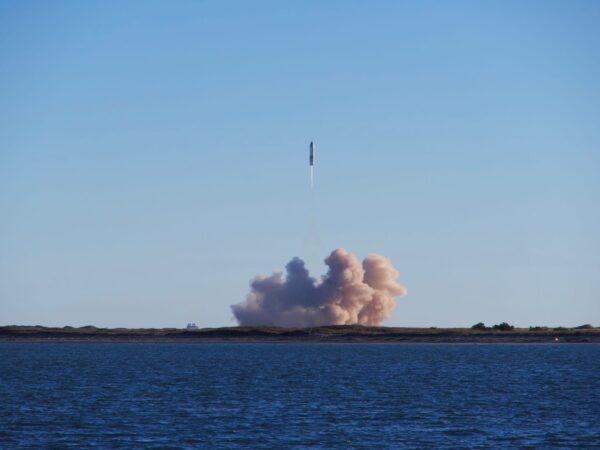
ISRO GSLV-F18 launch successfully delivered the next-generation navigation satellite NVS-03 into orbit, showcasing India’s advancements in space technology.
Overview of the GSLV-F18 Mission
The recent launch of the ISRO GSLV-F18 has marked a significant milestone in India’s space endeavors. This mission involved the deployment of the next-generation navigation satellite, NVS-03, which is expected to enhance the country’s navigation capabilities.
The GSLV-F18 rocket lifted off seamlessly from the Satish Dhawan Space Centre in Sriharikota, showcasing ISRO’s commitment to advancing its launch vehicle technology. This mission is a vital part of India’s efforts to improve its satellite navigation system, providing more precise and reliable services to users across various sectors.
- Launch Date: The GSLV-F18 successfully launched on October 12, 2023.
- Payload: NVS-03 satellite is equipped with advanced features for better positioning and timing.
- Significance: The mission reinforces India’s capabilities in satellite navigation, critical for both civilian and defense applications.
With the successful launch of the GSLV-F18, ISRO has not only demonstrated its technological prowess but also laid the groundwork for future navigation systems. The NVS-03 satellite will play a pivotal role in enhancing geospatial services, contributing to India’s growing presence in the global space arena.
Significance of the NVS-03 Satellite
The successful launch of the GSLV-F18 marks a significant milestone for ISRO, particularly with the deployment of the NVS-03 satellite. This next-generation navigation satellite is part of India’s NavIC system, which is designed to provide accurate positioning services to users across the country and the surrounding region.
The significance of the NVS-03 satellite lies in its enhanced capabilities:
- Improved Accuracy: NVS-03 is equipped with advanced atomic clocks that enhance the precision of navigation signals, crucial for applications like transportation and disaster management.
- Broader Coverage: This satellite expands the coverage area of the NavIC system, ensuring reliable navigation services in even the most remote areas of India.
- Support for Future Technologies: NVS-03 is designed to support emerging technologies such as autonomous vehicles and IoT applications, which require highly accurate positioning data.
- Strategic Autonomy: By enhancing India’s navigation capabilities, the NVS-03 satellite contributes to national security and strategic autonomy, reducing reliance on foreign systems.
The ISRO GSLV-F18 launch not only demonstrates technological prowess but also paves the way for future advancements in navigation and satellite services.
Key Features of Next-Generation Navigation
The recent launch of the ISRO GSLV-F18 has marked a significant step forward in the field of navigation technology. The next-generation navigation satellite NVS-03 is designed to enhance the accuracy and reliability of satellite-based navigation services in India and beyond. Below are some of the key features that underscore its advanced capabilities:
- Enhanced Accuracy: NVS-03 utilizes advanced technology to provide precise positioning, which is vital for applications in transportation, agriculture, and urban planning.
- Greater Reliability: The satellite is engineered to withstand various environmental challenges, ensuring consistent performance regardless of external conditions.
- Improved Signal Quality: With upgraded signal processing, the satellite can offer better service even in congested urban areas, where interference is common.
- Multi-constellation Compatibility: NVS-03 is compatible with other global navigation systems, allowing for seamless integration and improved service for users.
- Longer Lifespan: Designed with longevity in mind, this satellite aims to function effectively over an extended period, reducing the need for frequent replacements.
The successful ISRO GSLV-F18 launch not only demonstrates India’s growing capabilities but also sets the stage for a more connected future through advanced navigation solutions.
ISRO’s Recent Achievements in Space
In recent months, the Indian Space Research Organisation (ISRO) has made significant strides in space technology and satellite deployment. The successful launch of the GSLV-F18 is a testament to ISRO’s commitment to enhancing India’s space capabilities. This mission not only marks the deployment of the NVS-03 satellite but also showcases the advancements in launch vehicle technology and satellite navigation systems.
ISRO has consistently demonstrated its ability to execute complex missions with precision. Some of the notable achievements in the lead-up to the GSLV-F18 launch include:
- Successful PSLV Missions: The Polar Satellite Launch Vehicle (PSLV) has been a workhorse for ISRO, launching numerous satellites for various applications.
- Chandrayaan-3 Mission: The successful lunar mission underscored ISRO’s expertise in deep-space exploration.
- Aditya-L1 Preparations: Ongoing work on the solar mission is set to enhance our understanding of solar dynamics.
These accomplishments position ISRO as a leader in the global space community, paving the way for future endeavors, including the GSLV-F18 launch, which will significantly improve navigation services across India and beyond.
Future Implications for Navigation Technology
The successful launch of the ISRO GSLV-F18 marks a significant milestone in the advancement of navigation technology. This mission not only demonstrates ISRO’s capabilities but also opens doors to revolutionary improvements in various sectors reliant on precise navigation.
With the deployment of the NVS-03 satellite, the future of navigation looks promising due to several anticipated implications:
- Enhanced Accuracy: The next-generation satellite is expected to provide more accurate positioning data, which is crucial for applications such as autonomous driving and drone delivery systems.
- Increased Coverage: NVS-03 aims to enhance satellite coverage across challenging terrains, ensuring that navigation services remain reliable even in remote regions.
- Integration with Advanced Technologies: The new satellite will facilitate better integration with emerging technologies, allowing for improvements in smart city infrastructure and Internet of Things (IoT) applications.
- Support for National Security: Enhanced navigation capabilities will also bolster national defence strategies by providing precise location services essential for military operations.
Overall, the implications of the ISRO GSLV-F18 launch extend beyond immediate benefits, paving the way for transformative changes in navigation technology for years to come.
The ISRO GSLV-F18 launch has demonstrated India’s growing capabilities in space technology. This success paves the way for enhanced navigation systems in the future.