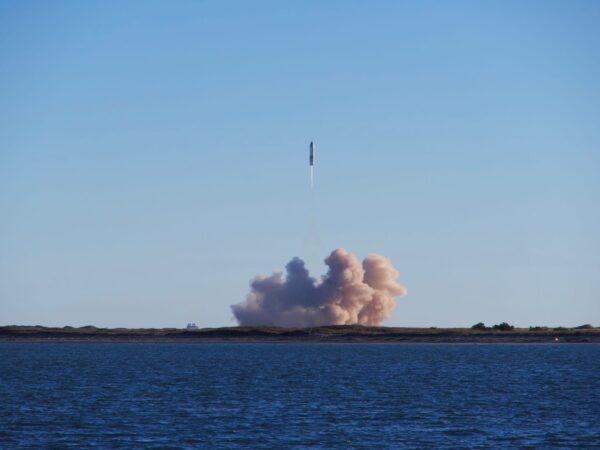
Turkish aerospace company has made headlines with its successful satellite launch aboard a SpaceX rocket. This achievement marks a significant step forward for Turkey’s space ambitions.
Overview of the Launch
The recent launch by a Turkish aerospace company marks a significant milestone in the nation’s space endeavors. This operation showcased the capabilities of the company, which has been at the forefront of developing advanced satellite technology. The satellite was successfully launched aboard a SpaceX rocket, demonstrating a successful partnership between nations and companies in the aerospace sector.
During the launch, the satellite was deployed into orbit, where it will perform various functions, including:
- Earth observation
- Telecommunications
- Scientific research
This achievement not only highlights the technological advancements of the Turkish aerospace company but also emphasizes the growing importance of space exploration in the region. As the company continues to innovate, it aims to play a key role in future satellite missions and expand its contributions to the global aerospace industry.
Significance of Homegrown Technology
The significance of homegrown technology in the aerospace sector cannot be overstated, especially for a Turkish aerospace company making strides in satellite development. With advancements in local capabilities, this company is not only enhancing national pride but also ensuring greater control over its technological assets.
By successfully launching its own satellites, the Turkish aerospace company is reducing reliance on foreign technologies and fostering innovation within the country. This move aligns with global trends where nations prioritize self-sufficiency in critical sectors.
Furthermore, homegrown technology contributes to economic growth by creating jobs and stimulating related industries. It also enhances national security by allowing for independent satellite operations, which are vital for communication, surveillance, and disaster management.
Ultimately, the development of in-house aerospace technologies marks a significant leap forward for Turkey’s ambitions in the global space industry.
Collaboration with SpaceX
The collaboration between the Turkish aerospace company and SpaceX marks a significant milestone in the realm of satellite launches. This partnership enables Turkey to leverage advanced technology and expertise from one of the leading private aerospace firms in the world. The recent launch of a homegrown satellite aboard a SpaceX rocket is a testament to the growing capabilities of the Turkish aerospace sector.
Key aspects of this collaboration include:
- Enhanced capabilities: Access to SpaceX’s cutting-edge launch vehicles.
- Cost efficiency: Utilizing established launch services to reduce overall expenses.
- Knowledge transfer: Gaining valuable insights into satellite technology and launch operations.
This partnership not only showcases the Turkish aerospace company’s ambition but also reinforces its position as a competitive player in the global aerospace industry.
Future Plans for Turkish Aerospace
The Turkish aerospace company is setting its sights on expanding its capabilities in the coming years. With the recent success of launching a homegrown satellite aboard a SpaceX rocket, the company aims to leverage this momentum to enhance its technological advancements.
Future plans include:
- Developing new satellite technologies: Focusing on innovative designs to improve performance and efficiency.
- Increasing launch frequency: Establishing a more robust launch schedule to support both domestic and international clients.
- Strengthening international partnerships: Collaborating with global aerospace entities to share knowledge and resources.
- Investing in research and development: Allocating resources to push the boundaries of aerospace technology.
Through these initiatives, the Turkish aerospace company aims to solidify its position in the competitive space industry and contribute significantly to national pride and innovation.
Challenges Faced During Development
The journey of the Turkish aerospace company towards achieving satellite launch success has not been without its challenges. One major hurdle was ensuring the reliability and functionality of their homegrown technology, which required extensive testing and iterations.
Additionally, the company faced significant logistical issues, including:
- Supply Chain Disruptions: Sourcing high-quality components that met international standards proved difficult.
- Regulatory Compliance: Navigating the complex landscape of aerospace regulations demanded rigorous adherence to safety and operational protocols.
- Funding Constraints: Securing adequate investment for research and development posed a challenge, impacting the timeline of the project.
Despite these obstacles, the Turkish aerospace company demonstrated resilience, ultimately achieving a successful launch that marks a vital step in their ambitious space exploration goals.
Impact on National Security
The recent success of the Turkish aerospace company in launching its homegrown satellite has significant implications for national security. By developing its own satellite technology, Turkey reduces reliance on foreign entities for critical communications and surveillance capabilities. This autonomy allows for enhanced control over sensitive data and operations, which is essential in the current geopolitical landscape.
Furthermore, the ability to deploy satellites independently strengthens Turkey’s strategic position in the region. It enables the country to monitor its borders more effectively and respond swiftly to emerging threats. As the Turkish aerospace company continues to innovate and expand its capabilities, the potential for improved defense systems becomes increasingly evident.
Ultimately, the achievements of this aerospace firm contribute to a more secure national framework, fostering a sense of pride and self-sufficiency within Turkey’s defense strategy.
International Reactions to the Launch
Following the successful launch of the satellite by the Turkish aerospace company, international reactions have been overwhelmingly positive. Many countries expressed admiration for Turkey’s growing capabilities in the aerospace sector, highlighting the significance of homegrown technology in a region often reliant on foreign expertise.
Industry experts noted that this achievement marks a critical step for Turkey in establishing itself as a significant player in the global aerospace arena. Countries such as the United States, Germany, and Japan have shown interest in potential collaborations, signaling a shift in how nations perceive Turkey’s technological advancements.
Furthermore, space agencies worldwide acknowledged the launch as a demonstration of innovation and resilience, with some suggesting it could pave the way for future partnerships in satellite development and research. This accomplishment is a testament to the potential of the Turkish aerospace company to influence the international space landscape.
What This Means for the Space Industry
The recent success of the Turkish aerospace company in launching its homegrown satellite has significant implications for the broader space industry. This achievement not only underscores Turkey’s growing capabilities in advanced technology but also highlights the increasing role of private partnerships in space exploration. By collaborating with established entities like SpaceX, the Turkish aerospace company is setting a precedent for future endeavors and encouraging other nations to develop similar alliances.
Moreover, this launch exemplifies the shift towards self-reliance in satellite technology, which can enhance national capabilities in communications, weather forecasting, and surveillance. As countries around the world invest in their space programs, the Turkish aerospace company’s success may inspire increased competition and innovation within the sector, ultimately benefiting global advancements in space exploration and technology.
By Colin Cooke Photo via Openverse