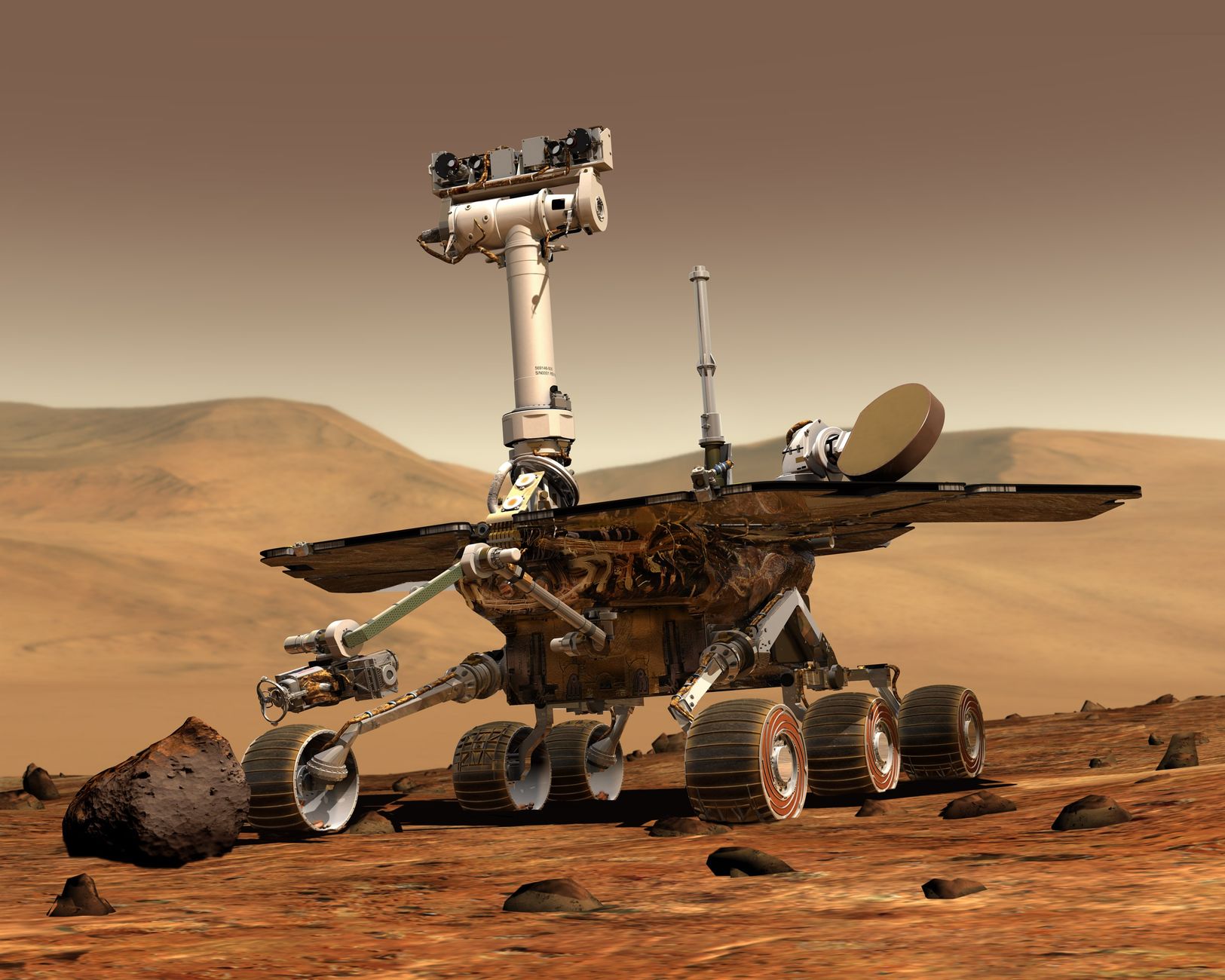
NASA Mars mission is an ambitious endeavor aimed at sending new technology to explore the enigmatic moons of Mars. This mission promises to unveil secrets that could change our understanding of these celestial bodies.
Overview of NASA’s Mars Mission
The NASA Mars mission is set to explore the enigmatic moons of Mars, Phobos and Deimos, using cutting-edge technology that may revolutionize our understanding of these celestial bodies. This initiative aims to investigate the origins and composition of the moons, which have long been a subject of intrigue among scientists.
Key objectives of the mission include:
- Analyzing Surface Composition: The technology will enable detailed mapping and analysis of the surface materials on Phobos and Deimos.
- Assessing Potential Resources: Understanding the resources available could support future human missions to Mars.
- Exploring Geological History: The insights gained may help clarify the moons’ formation and their relationship with Mars.
With the NASA Mars mission poised to launch this innovative exploration, the findings could significantly alter our perception of the Martian system and its moons.
What We Know About Mars’ Moons
Nasa’s Mars mission not only aims to explore the red planet but also its two intriguing moons, Phobos and Deimos. These moons have long puzzled scientists with their origins and characteristics.
Recent studies suggest that:
- Phobos is gradually spiraling inward and may eventually crash into Mars or break apart.
- Deimos appears to have a more stable orbit, but its surface is covered in fine dust and boulders, making it less understood.
- The moons are thought to be captured asteroids, leading to questions about their formation and the early solar system.
NASA’s Mars mission plans to utilize advanced technology to gather data that could illuminate the history of these celestial bodies, providing insights that might change our understanding of planetary formation.
NASA Mars Mission Goals
The NASA Mars mission aims to achieve several critical objectives that could reshape our understanding of the Red Planet and its moons. Among the primary goals are:
- Study the Martian Surface: Investigating the geological structures and compositions to provide insights into Mars’ history.
- Search for Signs of Life: Looking for both current and past signs of microbial life in various environments.
- Understand Water Resources: Identifying where water exists on Mars, which is crucial for future human exploration.
- Test New Technologies: Deploying advanced technologies that could enhance our capability to explore Mars and its moons.
- Prepare for Human Missions: Gathering data that will aid in planning for eventual human landings on Mars.
Through these goals, the NASA Mars mission could revolutionize our approach to space exploration and highlight the importance of Mars’ moons in understanding planetary systems.
Technological Innovations in Space Exploration
The NASA Mars mission is at the forefront of technological innovations in space exploration, showcasing the agency’s commitment to pushing the boundaries of what is possible. As new technologies are developed, they promise not only to enhance our understanding of Mars but also to transform future missions.
Key innovations include:
- Autonomous Navigation: Advanced algorithms allow spacecraft to navigate and make decisions without direct human intervention, increasing efficiency and safety.
- In-Situ Resource Utilization (ISRU): Technologies capable of utilizing Martian resources can support long-term human presence, reducing reliance on Earth supplies.
- Enhanced Communication Systems: Improved data transmission methods enable faster and more reliable communication with Earth, which is crucial for mission success.
- Robotic Systems: Cutting-edge robotics assist in sample collection and analysis, providing invaluable insights into Mars’ geology and potential for life.
These advancements signify a leap forward in the quest to explore Mars and beyond.
Potential Impact on Our Understanding of Mars
The NASA Mars mission represents a pivotal advancement in our exploration of the Red Planet and its moons, Phobos and Deimos. As scientists gather data from these celestial bodies, the implications could significantly enhance our understanding of Mars’ history and geology.
Through targeted investigations, the mission aims to unveil:
- The origins of Mars’ moons: Understanding whether they are captured asteroids or remnants of a larger body could reshape theories about the solar system’s formation.
- Potential for past life: Analyzing surface materials may reveal conditions that once supported life, offering insights into Mars’ habitability.
- Future exploration opportunities: Knowledge gained from the mission could inform human exploration plans, identifying potential resources and safe landing sites.
Ultimately, the NASA Mars mission could not only change our perspective on Mars but also deepen our comprehension of planetary systems throughout the universe.
Photo by Pixabay on Pexels