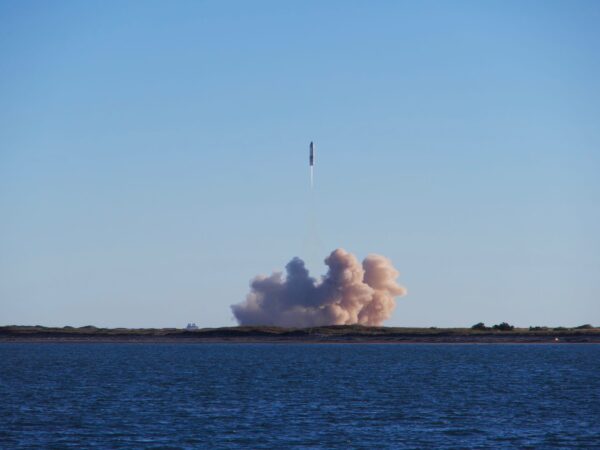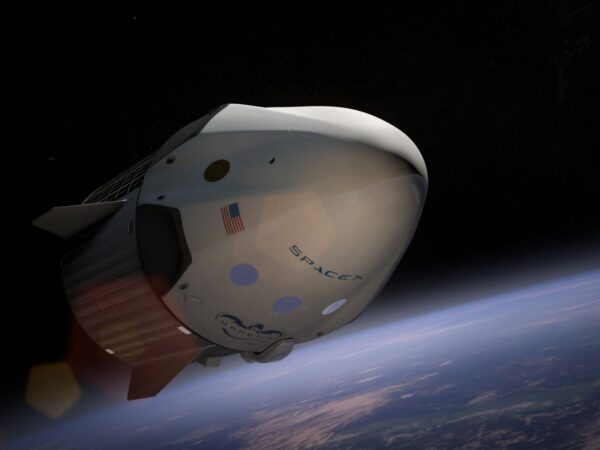
Space launch vehicles are becoming increasingly important as governments plan for over 20 launches a year by the mid-2030s. This shift aims to enhance capabilities and ensure a competitive edge in space exploration.
The Future of Space Launch Vehicles
As we look towards the future of space exploration, the development and diversification of space launch vehicles are crucial. With projections indicating over 20 launches annually by the mid-2030s, governments are prioritizing the expansion of their launch capabilities.
This strategic shift is driven by a variety of factors:
- Increased Demand: The growing need for satellite deployment and interplanetary missions has necessitated a more robust fleet of space launch vehicles.
- Technological Advancements: Innovations in materials and engineering are enabling manufacturers to create more efficient and reliable launch systems.
- Cost Efficiency: By diversifying launch options, governments can foster competition, leading to reduced costs for space missions.
- International Collaboration: Partnerships with private companies and other nations are essential to share knowledge and resources in the development of advanced launch vehicles.
The emphasis on diversification not only enhances national capabilities but also supports a sustainable presence in space. As countries invest in next-generation technologies, the landscape of space launch vehicles is set to evolve dramatically, paving the way for a new era of exploration and discovery.
Government Plans for Space Launches
As the demand for space access continues to grow, government plans for space launches are becoming increasingly ambitious. By the mid-2030s, projections indicate that over 20 space launch vehicles will be launched each year, reflecting a significant shift in the strategy for national space exploration and satellite deployment.
In response to this burgeoning demand, governments around the world are diversifying their launch capabilities. This diversification aims to reduce reliance on a limited number of launch providers and to enhance the resilience of national space programs. Key strategies include:
- Investment in Emerging Technologies: Governments are funding research and development for next-generation launch systems that promise greater efficiency and lower costs.
- Partnerships with Private Sector: Collaborating with commercial launch providers is becoming a cornerstone of government strategy, allowing access to innovative launch vehicles and services.
- International Collaborations: Countries are increasingly engaging in joint ventures to share resources and expertise, thereby expanding their reach in the competitive space launch market.
By implementing these strategies, governments aim to not only meet the demands of their space programs but also to assert their presence in the global space economy, ensuring that they remain at the forefront of space exploration and technology development.
Impact of Diversification on Space Industry
The impact of diversification on the space industry is significant, as it paves the way for more robust and resilient operations. By investing in a wider array of space launch vehicles, governments can mitigate risks associated with reliance on a single launch provider or technology. This diversification helps in fostering competition, which can lead to reduced launch costs and improved service reliability.
Furthermore, a diverse fleet of launch vehicles enables governments to meet varying mission requirements more effectively. Different payloads and orbital destinations often necessitate specialized launch solutions. A broader selection of vehicles can accommodate a range of scientific, commercial, and defense missions, ensuring that the government can adapt to evolving needs.
Key benefits of this diversification strategy include:
- Increased resilience: A diverse launch capability reduces vulnerability to delays or failures from any single source.
- Enhanced innovation: Competition among providers can spur technological advancements and efficiency improvements.
- Accessibility: A wider range of launch options can democratize access to space, benefiting smaller organizations and emerging economies.
In summary, the government’s focus on diversifying space launch vehicles is crucial for maintaining a competitive edge and ensuring long-term sustainability in the rapidly evolving space sector.
Technological Advances in Launch Vehicles
Recent advancements in technology have significantly transformed the landscape of space launch vehicles, enabling more efficient and cost-effective methods of reaching orbit. These innovations not only enhance performance but also contribute to the diversification strategies being adopted by government agencies.
One of the most noteworthy developments is the increasing use of reusable launch systems. By allowing components of launch vehicles to be recovered and reused, agencies can drastically reduce costs associated with multiple launches. This has been exemplified by companies leading the commercial sector, pushing governments to adapt similar technologies.
Additionally, the integration of artificial intelligence and machine learning into launch vehicle operations has improved mission planning and execution. These technologies optimize flight paths and enhance safety protocols, making launches more reliable. Moreover, advancements in propulsion systems, including the shift towards hybrid and electric engines, are paving the way for environmentally friendly launch options.
As governments continue to diversify their launch vehicle portfolios, they are also exploring partnerships with private companies to leverage cutting-edge technology. This collaboration not only fosters competition but also accelerates the pace of innovation within the space industry, ultimately benefiting a wide range of stakeholders.
- Reusable launch systems
- Artificial intelligence in mission operations
- Hybrid and electric propulsion systems
Challenges Facing Space Launch Initiatives
The space launch industry is experiencing significant growth, yet various challenges hinder the successful implementation of new initiatives. One of the primary obstacles is the high cost associated with developing and maintaining space launch vehicles. Many governments face budget constraints, which limit their ability to invest in innovative technologies and infrastructure.
Additionally, regulatory hurdles pose a significant challenge. The process of obtaining necessary approvals and permits for launch operations can be time-consuming and complex, potentially delaying projects. This bureaucracy can deter private sector investment and slow the overall progress of government diversification efforts in launch vehicles.
Another issue is the increasing competition in the global space market. New entrants and established companies are vying for a share of the launch services market, which can lead to price wars and reduced profit margins. This competitive landscape may force governments to reconsider their strategies for acquiring and utilizing space launch vehicles.
Moreover, the reliance on a limited number of launch providers can create vulnerabilities in supply chains. Disruptions, whether from geopolitical tensions or economic downturns, could jeopardize national access to space. Addressing these challenges is imperative for governments seeking to diversify their launch capabilities and ensure a robust future in space exploration.
Global Competition in Space Exploration
The global landscape of space exploration is rapidly evolving, driven by increasing competition among nations and private enterprises. As the race to establish a foothold beyond Earth intensifies, the development and deployment of space launch vehicles have become a focal point for many governments. With over 20 planned launches annually by the mid-2030s, nations are recognizing the need for diversified launch capabilities to maintain their competitive edge.
Countries like the United States, China, and India are investing significantly in their space programs, each aiming to enhance their technological prowess and strategic positioning in space. The proliferation of new entrants into the market has led to an atmosphere of innovation, with various companies developing advanced space launch vehicles tailored to specific mission requirements.
Moreover, the increasing role of international partnerships has transformed how nations approach space exploration. By collaborating on joint missions and sharing resources, countries can pool their expertise and reduce costs associated with developing launch vehicles. This cooperative spirit not only fosters technological advancements but also promotes a more inclusive approach to space exploration.
In this context, the diversification of space launch vehicles is not merely a strategic imperative but a vital component in ensuring sustained participation in the global space race.
The Role of Private Sector in Launch Services
The involvement of the private sector in space launch services has become increasingly crucial as governments look to diversify their space launch vehicles. This collaboration offers numerous benefits that enhance efficiency, reduce costs, and stimulate innovation in the industry.
Private companies bring a wealth of expertise and technological advancements to the table. They often operate with greater flexibility than government entities, enabling them to adapt quickly to changes in market demands and technological trends. This agility has led to the development of a range of launch vehicles that cater to different payload needs and mission profiles.
Moreover, partnerships between government agencies and private firms facilitate knowledge sharing, allowing both parties to leverage each other’s strengths. For instance, government contracts with private launch providers can help ensure a steady demand for services, while private companies can offer insights into new technologies and manufacturing processes.
As international competition in space exploration intensifies, the role of private sector involvement becomes even more pronounced. By diversifying their launch vehicles through collaborations with private companies, governments can enhance their capabilities, ensuring they remain competitive on the global stage.
In summary, the synergy between the public and private sectors is vital for the advancement of space launch vehicles, paving the way for a robust and dynamic space industry.
By Clay Gilliland via Openverse
Read the original
Related reading
GTA 6 Sales Numbers: Proven Success with 45 Million Copies · Honor Magic9 Lite: The Best Phone with Proven Battery Life · Sarvam AI funding: The Right Path to Proven Frontier AI